

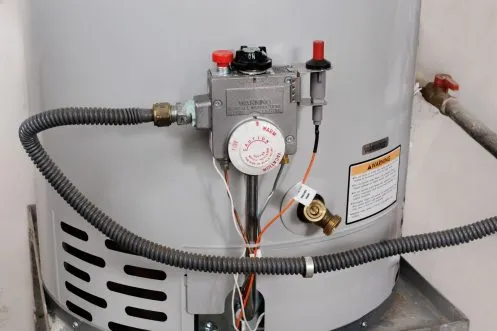
Plumbers can estimate typical lifespans for different appliances, but age alone does not determine when you need to replace your water heater. A water heater’s condition, reliability, efficiency, and repair history are often more telling indicators.
Recognizing early warning signs like excessive wear, corrosion, and mineral buildup can help you plan a timely replacement and avoid complete equipment failure. Consider inconsistent hot water, unusual noises, rusty or discolored water, visible corrosion, leaks, declining efficiency, and frequent repairs. All these suggest a water heater that’s nearing the end of its useful life.
While some problems are repairable, others, like tank corrosion or leakage, almost always point toward replacement. For homeowners in San Antonio, the city’s mineral-rich hard water can also contribute to scale buildup, making proper water heater maintenance especially important.
How Long Does a Water Heater Typically Last?
There is no single replacement age that applies to every water heater. A conventional tank-style water heater typically lasts 8 to 12 years, but this can vary. Several factors affect how long your appliance performs reliably. These include the type of water heater, the quality of its initial installation, your household’s daily hot water usage, and its maintenance history.
Water quality and operating conditions also play a major role. For instance, a properly maintained tankless water heater can last 20 years or more because it does not store water, which reduces the risk of corrosion. Homeowners with older appliances should pay close attention to performance and overall condition. A neglected eight-year-old water heater may be in worse shape than a regularly maintained 12-year-old unit.
What Are the Signs Your Water Heater Is Going Bad?
An aging or deteriorating water heater almost always displays symptoms before it fails completely. These signs range from subtle annoyances to obvious problems that require immediate attention. One symptom doesn’t necessarily mean the entire appliance has failed. A simple repair or component replacement can resolve some issues. A professional diagnosis from a qualified plumber is the best way to understand your system’s health and make an informed decision about replacement.
Your Hot Water Doesn’t Last as Long
One of the most common complaints about an aging water heater is a decline in performance. You might notice shorter showers or hot water running out while you’re washing dishes. This reduced capacity can happen gradually, making it easy to overlook at first.
Several issues can cause this problem. Over time, sediment can build up at the bottom of the tank, displacing hot water and insulating the water from the heating mechanism. Other potential causes include a failing heating element in an electric model or a malfunctioning burner in a gas unit. General deterioration of internal components can also cause this. A noticeable drop in hot water supply is a clear sign your system needs an inspection.
Your Water Heater Makes Popping or Rumbling Noises
Your water heater should operate relatively quietly. Popping, banging, or rumbling sounds coming from the tank often indicate sediment buildup. This is especially common for homeowners in San Antonio because of the area’s hard water.
Minerals in the water can settle at the bottom of the tank, forming a hard layer of scale. When the burner or heating element turns on, water trapped beneath this layer boils and steams, creating bubbles that pop as they escape. This noisy process stresses the tank and reduces efficiency. While the noises do not automatically mean you need a replacement, they do indicate a need for professional service to assess the extent of the buildup.
You Notice Rusty or Discolored Hot Water
If you turn on a hot water tap and see brown or reddish-tinted water, you may have a problem inside your water heater. If the discolored water appears only when you run the hot water, the issue likely exists only in the appliance rather than your home’s entire plumbing system.
Rusty water often indicates that the inside of your steel storage tank is corroding. A deteriorating anode rod, a component that corrodes to protect the tank lining, could also be a factor. In some cases, sediment buildup could be the culprit. A professional inspection is the only way to accurately identify the source of the discoloration and determine the right course of action.
There Is Water Around the Base of the Tank
Any sign of water pooling around the base of your water heater should receive prompt attention. A leak can lead to significant water damage, mold growth, and premature system failure. The leak source will determine whether a repair is possible.
Sometimes, water comes from a loose connection, a faulty temperature and pressure relief valve, or a drain valve that isn’t fully closed. These are often repairable issues. However, water leaking from the tank itself usually indicates that corrosion has compromised the inner lining. A cracked or corroded storage tank means you’ll need a new water heater.
Your Water Heater Needs Repairs More Often
A single repair on a relatively new water heater is not unusual, but recurring problems are a sign of declining reliability. If you find yourself calling for service every year to fix different components, these repairs can add up. At some point, it becomes more cost-effective to invest in a new, reliable appliance. When deciding between another repair and a full replacement, consider the unit’s age and condition, repair history, and expected future reliability.
Can San Antonio’s Hard Water Shorten a Water Heater’s Lifespan?
Yes, the local water quality can have a direct impact on your water heater. San Antonio’s hard water contains high concentrations of dissolved minerals like calcium and magnesium. While safe to drink, these minerals can create problems for plumbing equipment and water-using appliances.
As water heats, the minerals can separate and settle at the bottom of the tank, forming a layer of sediment known as scale. This scale buildup can reduce your water heater’s efficiency by forcing it to work harder to heat the water. It also contributes to the popping and rumbling noises we covered earlier and can accelerate corrosion inside the tank. Appropriate professional maintenance, including periodic tank flushing, can help manage this buildup and identify developing issues before they cause a major failure.
Should You Repair or Replace an Aging Water Heater?
Deciding whether to repair or replace your water heater involves weighing several key factors. These include the appliance’s age and type, overall condition, and repair frequency. You should also consider the nature of the current problem, the water heater’s energy efficiency, and your household’s hot water needs.
Also, consider that replacement offers an opportunity to upgrade your system. You can explore high-efficiency models or switch from a conventional tank appliance to a tankless water heater that provides endless hot water on demand. At Rosenberg Plumbing & Air, our NATE-certified technicians service both conventional and tankless water heaters across the San Antonio area and can help you weigh your options.
When Should You Have Your Water Heater Professionally Inspected?
Schedule a professional inspection if you notice significant changes in your water heater’s performance. These include visible leaks or corrosion, unusual noises, discolored hot water, inconsistent water temperatures, or a noticeably reduced hot water capacity.
A qualified plumber can perform a thorough diagnosis to determine the root cause of the problem. They can tell you whether the issue involves a serviceable component, excessive sediment buildup, or internal deterioration that makes replacement the most practical solution.
Plan Your Water Heater Replacement With Rosenberg Plumbing & Air in San Antonio
If your current water heater is old, leaking, unreliable, or no longer meeting your family’s needs, it’s a good time to explore your options. Our team at Rosenberg Plumbing & Air has been providing expert plumbing and HVAC services since 2003. We offer professional water heater repair and installation and can help you compare traditional and tankless options. As a family-owned business, we’re dedicated to exceptional customer service and reliable solutions.
For expert water heater service in San Antonio and the surrounding areas, contact Rosenberg Plumbing & Air to schedule your appointment today.
Tags: Plumbing tips, Water Heaters